
The Invisible Luxury Trend Taking Over Modern Homes
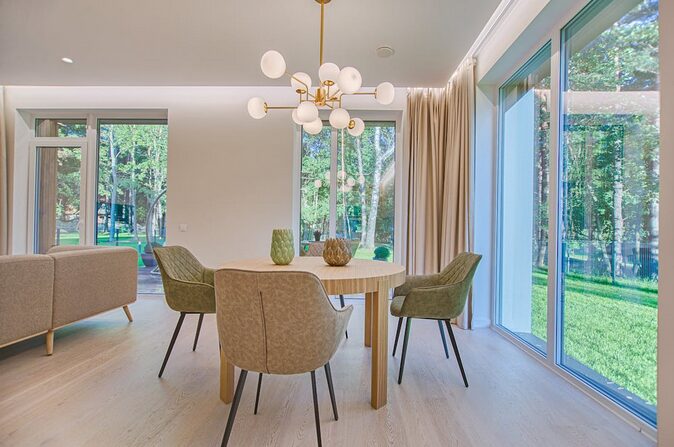
Luxury home design is changing in a big way, but interestingly, the most expensive features are often the ones you barely notice. In 2026, homeowners are moving away from flashy interiors and obvious status symbols. Instead, they’re embracing what designers call “invisible luxury” — a trend focused on subtle sophistication, seamless functionality, and understated comfort. Rather than oversized chandeliers or gold finishes, modern luxury now revolves around hidden technology, clean architecture, premium materials, and spaces that feel effortless. The goal isn’t to impress guests with extravagance. It’s to create homes that feel calm, organized, and intelligently designed. This shift reflects changing lifestyles and priorities. Today’s homeowners are looking for spaces that support wellness, convenience, and simplicity without sacrificing elegance.
Hidden Technology Is Becoming the Ultimate Status Symbol
One of the clearest examples of invisible luxury is the rise of concealed technology. Homeowners still want advanced smart features, but they no longer want gadgets dominating a room’s look. Televisions disappear into walls, speakers blend into ceilings, and wireless charging stations are built directly into furniture. Kitchens now feature hidden appliances behind custom cabinetry, creating sleek and uninterrupted spaces. Smart lighting systems can adjust brightness and color automatically while remaining practically invisible to the eye. The luxury isn’t in showing off the technology. It’s in how seamlessly it works without disrupting the home’s design.
Minimalism Is Getting Warmer and More Comfortable
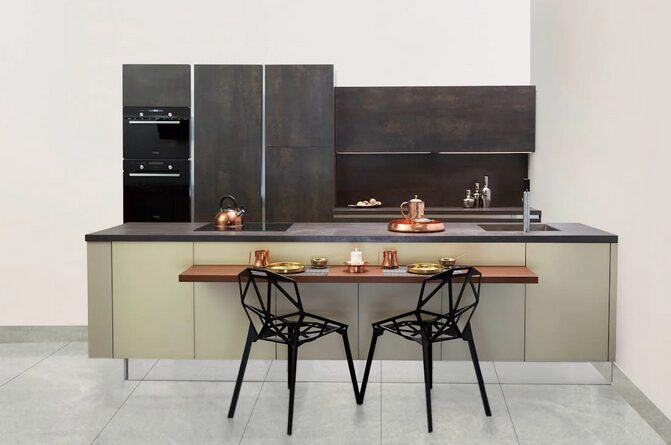
Minimalist interiors have been popular for years, but the newer version feels softer and more livable. Instead of cold white rooms with sparse furniture, invisible luxury embraces warm tones, layered textures, and natural materials. Homeowners are choosing stone countertops, oak wood finishes, linen fabrics, and soft lighting to create spaces that feel peaceful rather than overly styled. The focus is on quality instead of quantity. A few well-made pieces now carry more value than rooms filled with decorative clutter. This approach creates homes that feel timeless and relaxing, which is increasingly important in a fast-paced digital world.
Smart Storage Is a Major Design Priority
Another reason invisible luxury is growing is the demand for cleaner, more organized living spaces. Modern homeowners want homes that function efficiently while maintaining a polished appearance. As a result, hidden storage solutions are becoming a major design trend. Walk-in pantries, built-in shelving, concealed closets, and multifunctional furniture help reduce visible clutter without sacrificing practicality. Even home offices are being designed to disappear when not in use. Fold-away desks and hidden workstations allow rooms to transition easily between professional and personal spaces. This flexibility has become especially valuable as hybrid work continues to influence home design.
Wellness-Focused Spaces Are Redefining Luxury
Luxury today is no longer just about aesthetics. It’s also about how a home makes people feel. Invisible luxury places a strong emphasis on wellness and comfort. Homeowners are investing in features like air purification systems, circadian lighting, soundproof rooms, and spa-inspired bathrooms. Many of these upgrades remain largely unseen, but they significantly improve daily life. Natural light is another major priority. Large windows, open layouts, and indoor-outdoor transitions help create a sense of calm and connection with nature. Instead of dramatic visual statements, modern luxury is increasingly centered around emotional experience and well-being.
Sustainability Is Influencing Design Choices
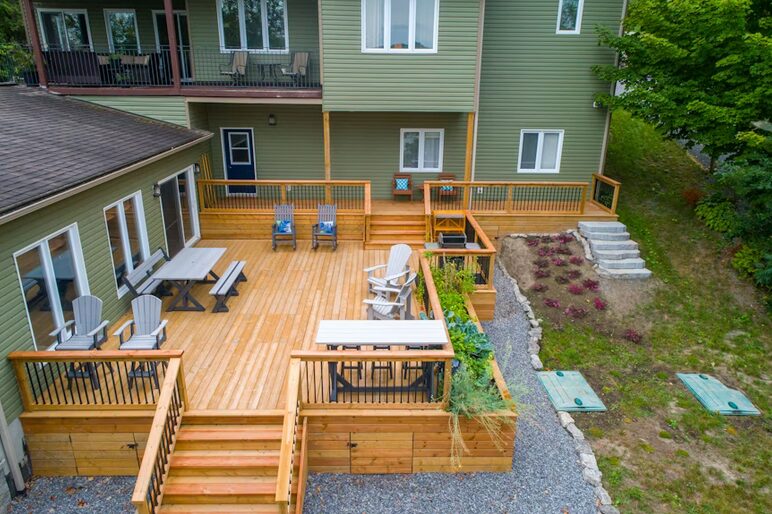
The invisible luxury trend also reflects growing interest in sustainability. Many homeowners now prefer eco-conscious upgrades that blend quietly into the home rather than visibly “green” features that dominate the design. Energy-efficient insulation, solar technology, water-saving systems, and sustainable building materials are becoming standard in high-end homes. Buyers are paying closer attention to long-term efficiency and environmental impact without wanting those elements to compromise aesthetics. This balance between sustainability and sophistication is shaping the future of modern architecture and interior design.
Quiet Spaces Are More Valuable Than Ever
As cities become busier and digital distractions grow, homeowners crave quiet, calming environments. Invisible luxury often focuses on creating peaceful atmospheres through subtle design details. Acoustic wall panels, insulated windows, and carefully designed layouts help reduce noise and create a more serene experience indoors. Soft textures and neutral palettes further contribute to the feeling of tranquility. In many ways, the greatest luxury in 2026 isn’t excess — it’s peace, privacy, and simplicity. The invisible luxury trend is redefining what modern homes look and feel like. Instead of flashy décor and obvious displays of wealth, today’s homeowners are investing in seamless technology, thoughtful design, wellness-focused features, and understated elegance. This shift reflects broader lifestyle changes. People want homes that feel calm, functional, and adaptable while still offering comfort and sophistication. Luxury is becoming less about what people can see and more about how a space quietly improves everyday life.