
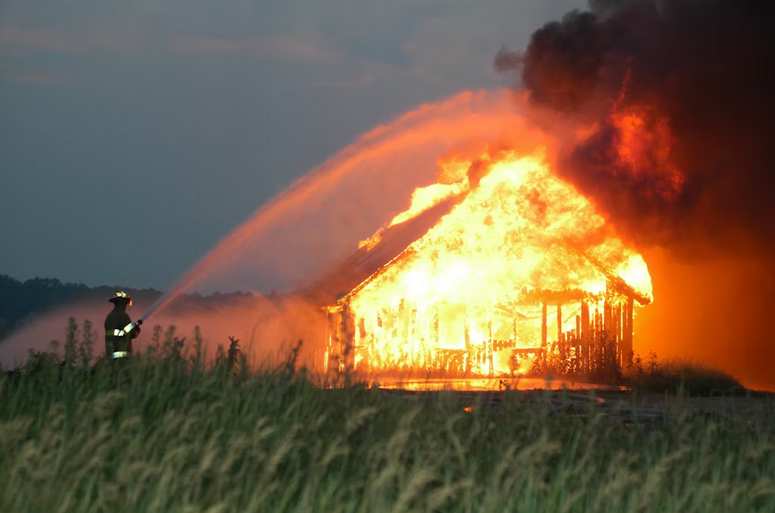
How Landscaping Choices Can Reduce Fire Hazards Around Your House
The way you design and maintain your yard has a direct impact on fire safety. Dry grass, dense shrubs, and overhanging branches can all fuel flames if a fire starts nearby. Sell house with fire damage quickly is often the most practical choice whenever a disaster occurs for homeowners who cannot commit to lengthy repairs or restoration. But note that this option can also be complicated that homeowners often prefer proper prevention steps. On the other hand, careful landscaping slows the spread of fire and creates defensible space. This space is critical because it separates the house from combustible vegetation. A few strategic choices outdoors can make the difference between a home at risk and one that stands a better chance of survival. Cash buyers and investors specialize in purchasing properties as-is, which means sellers avoid the cost of rebuilding while still moving forward with their lives.
Grass and Ground Cover
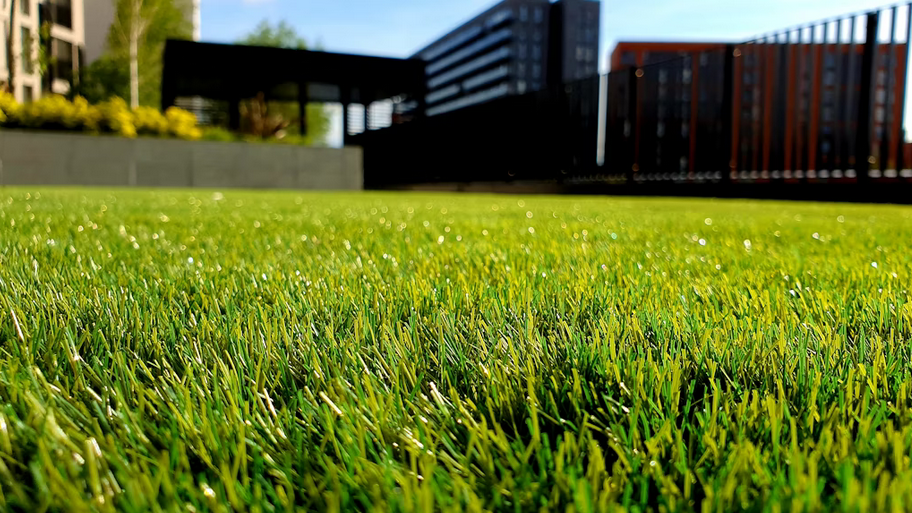
Grass that grows too long or dries out in hot weather becomes one of the first fuels for fire. Keeping it trimmed short reduces the chance of flames racing toward the home. Using ground covers like stone, gravel, or fire-resistant plants offers even greater protection. These materials do not ignite easily, which adds a layer of safety. Consistency is key because one neglected patch can expose the entire property.
Fire-Resistant Plants
Not all plants carry the same risk. Some ignite quickly, while others resist burning because they retain more moisture. Succulents, certain hardwoods, and many native species are less likely to spread flames. Selecting these types of plants gives your yard a natural shield. Every property is unique, so it is wise to consult local experts or fire authorities for guidance on the best options in your area. They can suggest species suited to both your climate and your safety needs.
Spacing and Placement
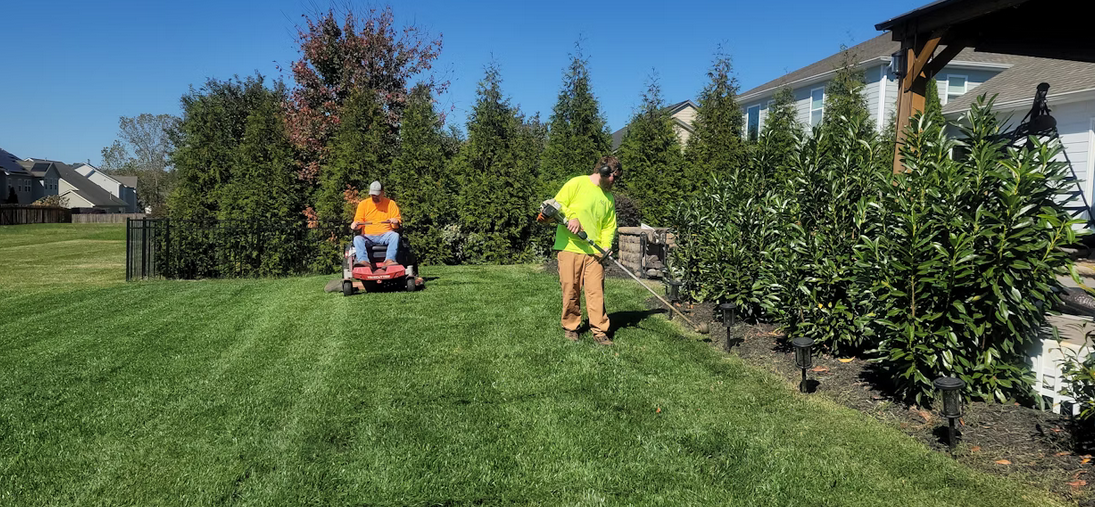
Even fire-resistant plants can pose problems if they are planted too close together. Dense clusters allow flames to jump from one plant to another. Creating space between shrubs and trees helps prevent this chain reaction. Positioning taller trees away from the home also limits the risk of falling embers landing on the roof. Spacing design is as important as plant selection because it ensures that the yard slows a fire rather than feeding it.
Debris and Dead Vegetation Removal
Leaves, pine needles, and dead branches are highly flammable. Allowing them to accumulate in gutters, corners, or garden beds invites fire to spread quickly. Regular cleanup is one of the simplest yet most effective strategies for reducing hazards. Homeowners should treat this task as routine maintenance rather than an occasional chore. By staying consistent, you create a safer environment and reduce the workload of sudden cleanups during fire season.
Hardscape as Fire Breaks

Hardscape features such as stone patios, concrete walkways, and gravel borders do more than add beauty. They act as fire breaks by interrupting the path of flames. A gravel border around the base of a home, for example, can stop fire from reaching the siding. Driveways also serve this protective role. When incorporated thoughtfully, these elements combine aesthetics with function. They provide homeowners with the utmost confidence that their yard is working to protect the structure.
Proper Irrigation and Moisture Control
Dry conditions are a fire’s best friend. Irrigation systems help maintain moisture in plants and soil, which reduces their ability to ignite. Drip irrigation is especially useful because it delivers water directly to the roots without waste. Even simple practices like watering lawns and gardens consistently make a difference. Balanced moisture levels not only promote healthy growth but also ensure the landscape acts as a barrier rather than a risk.
Fireproofing through landscaping is not a one-time project. It requires planning, maintenance, and seasonal adjustments. As plants grow, spacing may need to be altered. Some species may require replacement if they become more hazardous over time. A long-term plan incorporates both aesthetics and safety in a way that adapts to the property. With thoughtful effort, homeowners gain both beauty and protection, knowing their landscaping supports the safety of their house and family.